

In the automatic production process, the liquid level detection and monitoring has always played an important role, such as the production of food and beverages, chemical products, pharmaceuticals, semiconductors, etc., cooling and lubrication of various machines, and the monitoring of the liquid level has a direct impact. The quality of the product is even related to whether the production process can proceed smoothly.
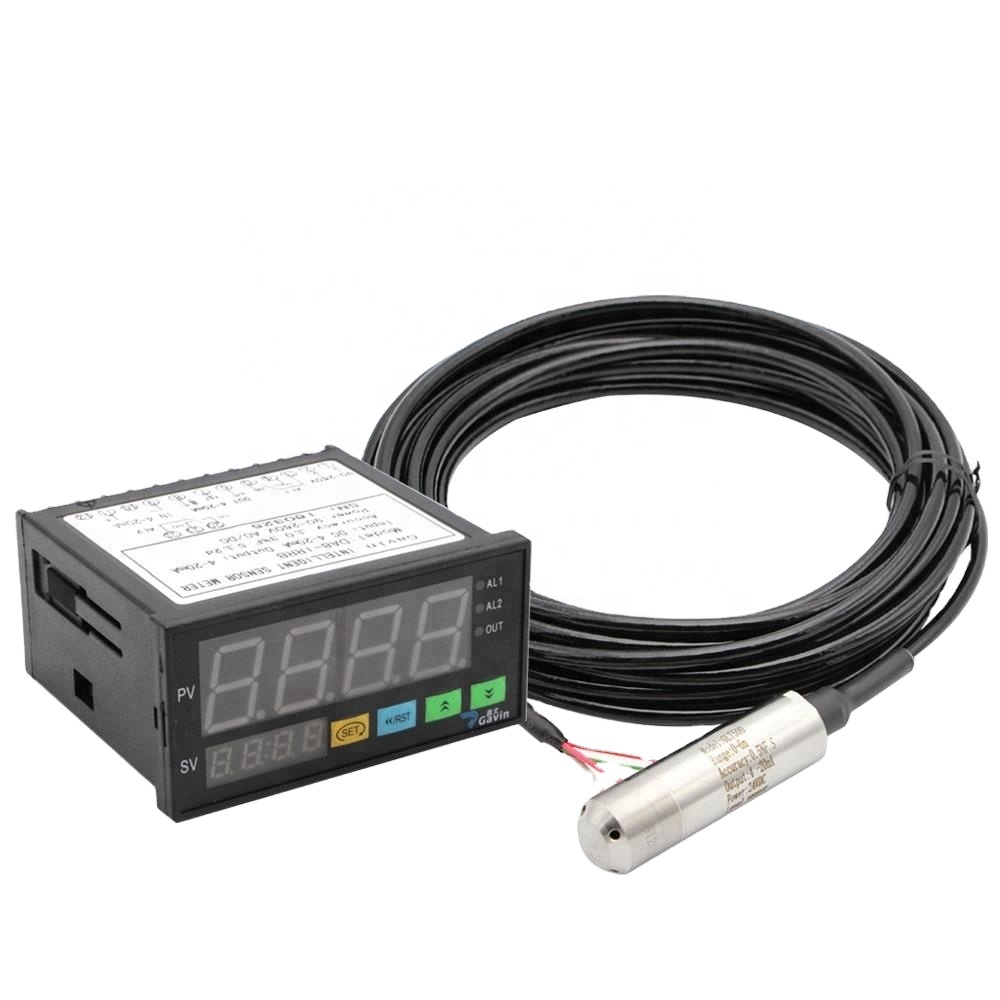
At the same time, with the increase of automation, in order to ensure the consistency of product quality, the era of direct monitoring and intervention of the production process has also gone. The importance of sensors has become more pronounced, and more and more people are participating in the program system. In the design, it is no longer a simple mechanical, rough type of monitoring; therefore its requirements in addition to the reliability and stability of the test, while requiring simple installation, commissioning, compact size, application of diversification.
In addition, due to the complexity and variability of the liquid level detection environment, it also brings different challenges to the application of sensors. For example: high-viscosity liquid height detection, level monitoring of wastewater containing impurities, level measurement with foam, highly corrosive liquid height alarms, and the like. Currently, there are many effective solutions for different applications in the market, but how to choose the right and cost-effective sensors has always been a headache for engineers.
Common liquid level detection methods
In order to select the best liquid level sensor, we not only need to understand the properties and state of the liquid to be measured, but also the advantages and limitations of different detection methods in order to select the most suitable sensor. The following are the most common detection technologies on the market today.
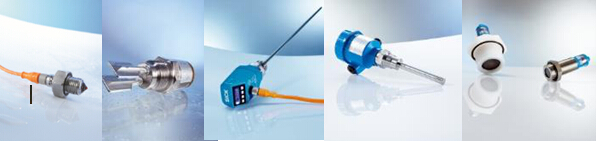
Laser Measurement: Based on the principle of optical detection, laser sensors detect light from the surface of the object to the receiver for detection. Its spot is small and concentrated, easy to install and calibrate, and has good flexibility. It can be applied to the continuous or limited bulk material or liquid level. Alarms, etc.; but they are not suitable for transparent liquids (transparent liquids tend to refract light, causing light to fail to reflect to the receiver), contain foam or vapor environments (which cannot penetrate the foam or are prone to steam interference), and fluctuating liquids (easily Causes malfunctions, vibration environments, etc.
TDR (Time Domain Reflectometry)/ Guided Wave Radar/Wavelength Principle Measurement: Its name has many different names in the industry, it has the advantages of laser measurement, such as: easy to install, calibration, good flexibility, etc. Better than laser detection, such as no need for repeated calibration and multi-function output, it is suitable for all kinds of liquid level detection with foam, not affected by liquid color, even for highly viscous liquids, subject to relatively small external environmental interference, but Its measurement height is generally less than 6 meters.
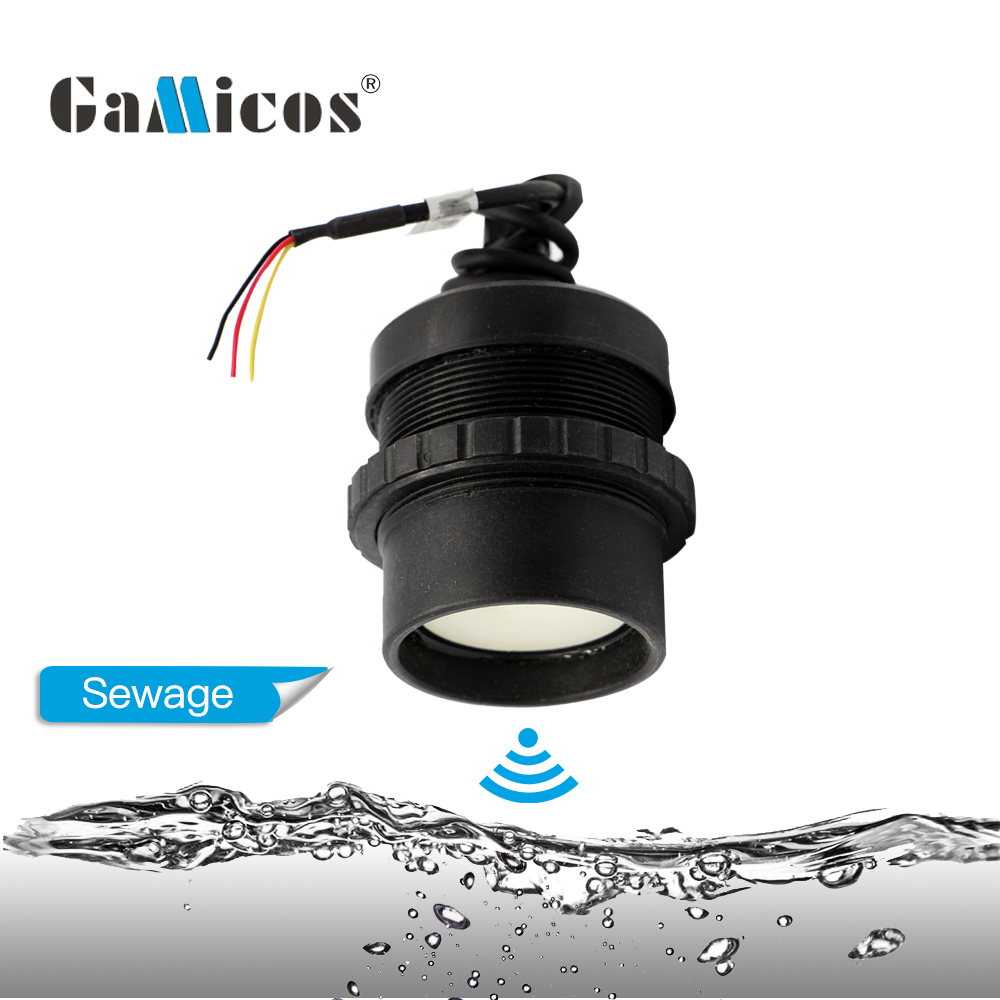
Ultrasonic measurement: Because its principle is to calculate the liquid level height by detecting the time difference between ultrasonic transmission and reflection, it is easily affected by the energy loss of ultrasonic transmission. It also has features such as easy installation and high flexibility. It can usually be installed at a high place for non-contact measurement. However, when used in environments containing steam, powder, etc., the detection distance will be significantly shortened and it is not recommended to use it in absorbing environments such as foams.
Tuning Fork Vibration Measurement: The tuning fork measurement is only a switching output and cannot be used to continuously monitor the liquid level. The principle is: When the liquid or bulk material fills two vibrating forks, when the resonance frequency changes, the switch signal is issued depending on the detection frequency change. It can be used for high-viscosity monitoring of high-viscosity liquids or solid bulk materials, mainly for overflow alarms, low level alarms, etc. It does not provide analog output. In addition, in many cases it is necessary to install the opening on the side of the container.
Photoelectric refraction measurement: This detection method sends the light source through the sensor. The light source is totally reflected by the transparent resin to the sensor receiver. However, when the liquid surface is encountered, part of the light will be refracted to the liquid, so the sensor detects the total reflection and the light value decreases. To monitor the liquid level. The detection method is cheap, installation and debugging are simple, but it can only be applied to the transparent liquid, and at the same time, only the switch signal is output.
Static pressure measurement: This measurement method uses a pressure sensor installed at the bottom. By detecting the liquid pressure at the bottom, the height of the liquid level is converted and the reference value of the liquid pressure at the bottom is the atmospheric pressure or the known air pressure that communicates with the top. This detection method requires the use of a high-precision, flush type pressure sensor, and at the same time the conversion process needs to be continuously calibrated. The advantage is that the detection is not limited by the height of the liquid level, but the higher the height, the higher the accuracy of the sensor, and the long-term use or replacement. Repeated calibration is required for liquids.
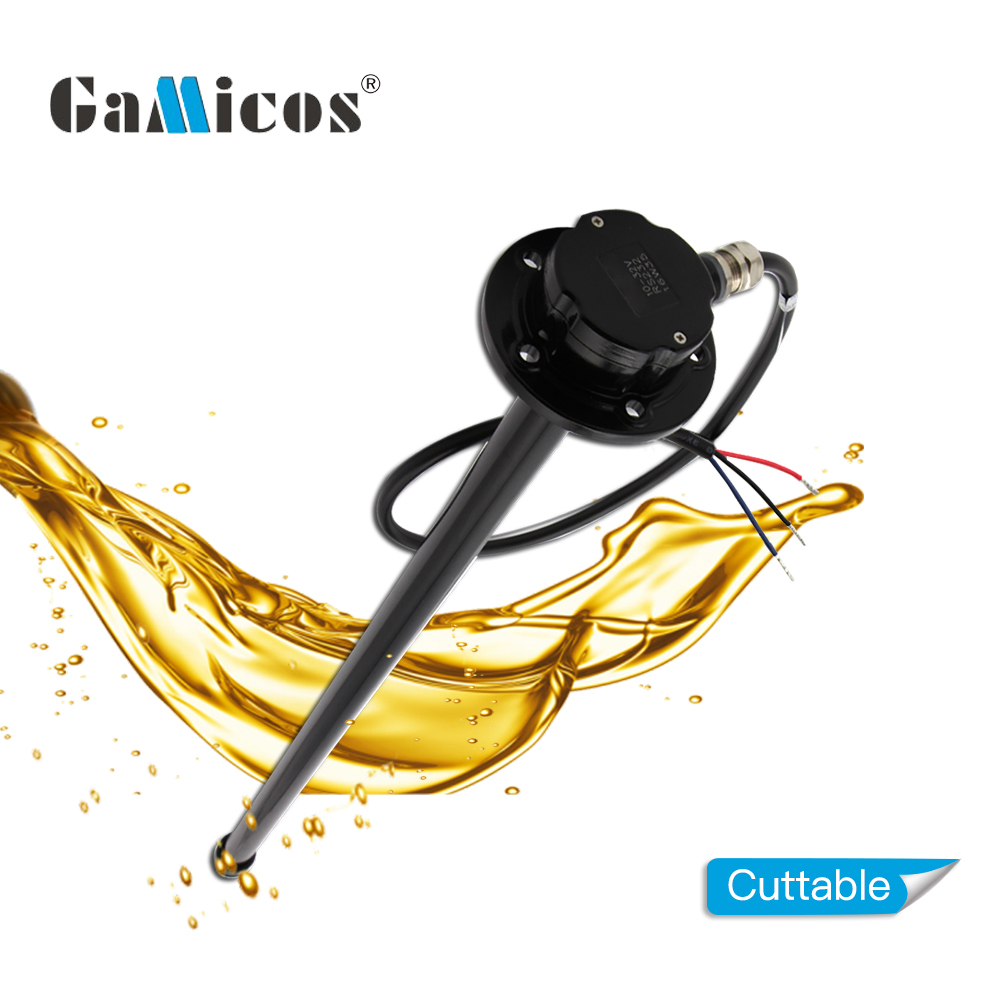
Capacitance Measurements: Capacitance measurement measures the level of material level mainly by detecting changes in capacitance due to changes in the liquid level or bulk material height. It has a variety of types, such as an analog capacitive level gauge, a liquid level capacitive proximity switch, and a capacitive proximity switch that can be mounted on the side of a container for non-contact detection. When choosing to pay attention, the capacitive sensor is easily affected by different container materials and solution properties, such as a capacitive sensor in which the plastic container and the hanging material easily affect the analog output.
Float detection: This method is the simplest and oldest detection method, and the price is relatively cheap. The change of the liquid level is mainly detected by the up and down movement of the float ball, which is a mechanical detection. The detection accuracy is easily affected by the buoyancy, the repeat accuracy is poor, and different liquids need to be recalibrated. Does not apply to viscous or impurity-containing liquids, which can easily cause flocculation, and at the same time does not meet the application requirements of the food hygiene industry.
How to choose the best measurement method
When we understand the advantages and disadvantages of different detection methods, there is a clear concept for the selection of liquid level sensors. (For details, please refer to the table below.) First of all, before starting the selection, we must first know what functions we need for the sensor, whether it is a binary output or an analog output. Normally the digital/digital output is used for alarm or protection, eg Anti-overflow alarm when filling, low-level anti-pump idling protection, etc.; analog output is mainly used for process control, including filling capacity, liquid level display, feeding speed control and so on.
Next, we must understand the measured liquid properties, including state, color, corrosion, viscosity, whether it contains impurities, whether it needs to meet food hygiene certification? According to our needs, find the right sensor. For example, during the filling process of daily cosmetic cream, it is necessary to monitor the high and low liquid levels of the liquid storage tank. First of all, we understand that the cream is in a fluid state with a large viscosity, and the color is translucent milky white and non-corrosive. , Without food hygiene certification, according to our requirements, we can choose the type: tuning fork measurement, TDR measurement and ultrasonic measurement.
Then, we need to make final assessments, including product installation and commissioning, application temperature, pressure range, price, etc. We can even borrow sample tests from suppliers. TDR and ultrasonics need to be installed on the top of the tank, and tuning forks can be installed on the top or Side; from the debugging point of view, the tuning fork is the simplest, followed by TDR and ultrasound, and the price is also. After comprehensive evaluation, the priority of selection is: tuning fork, TDR, and ultrasound.
SICK, as the world's leading sensor manufacturer and manufacturer, has been committed to providing customers with the best and most cost-effective sensor solutions. SICK fluid sensor inherits Germany's advanced production technology, has a complete product line, including pressure, liquid level, flow and temperature detection, liquid level sensor also covers the TDR measurement, tuning fork measurement, ultrasonic measurement, photoelectric refraction measurement, static Pressure measurement, capacitance measurement, etc., superior performance praised by customers.